Professor Ozum Arzik Erzurumlu on interpreting live at NATO summit
August 24, 2026
Image
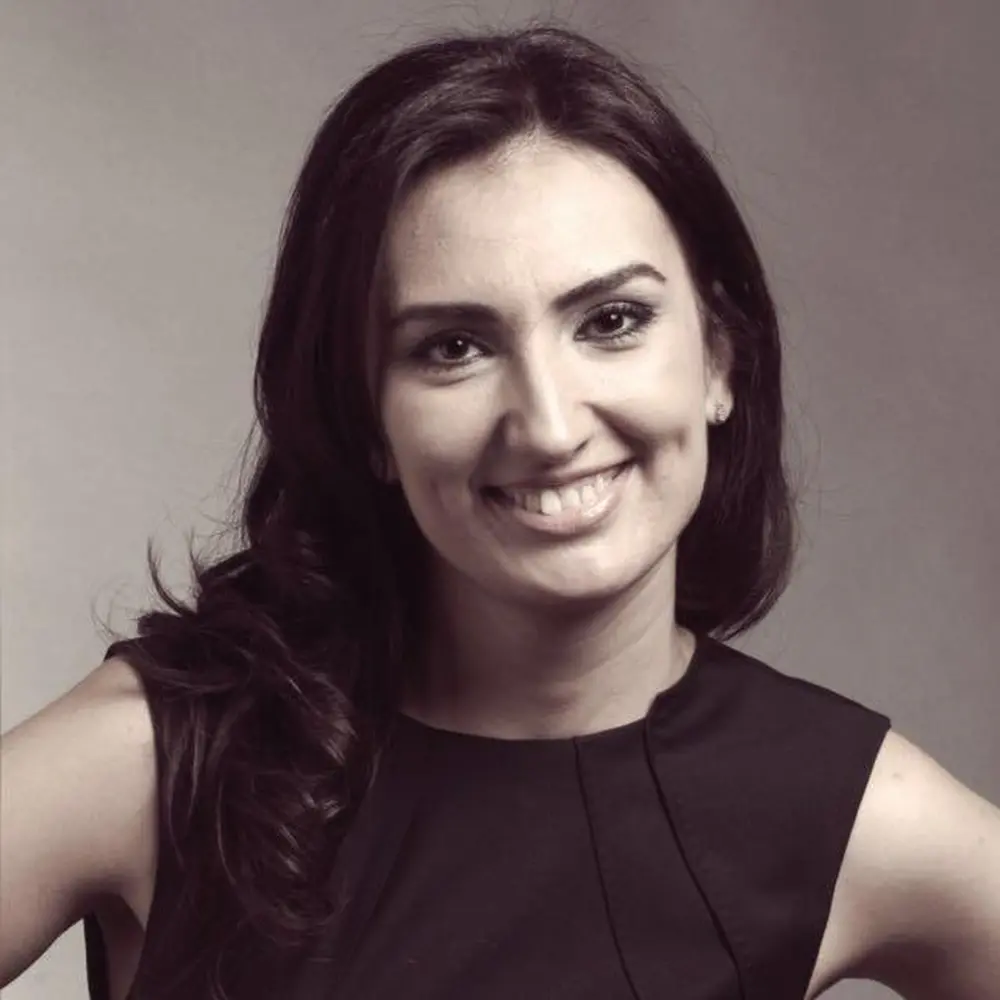
While on vacation in Turkey, I had the opportunity to interpret the NATO Summit press briefings for a broadcast media outlet. While I have covered these high-stakes summits for television over the past fifteen years, this year’s experience served as a compelling reaffirmation of the core tenets of our profession and provided a vivid illustration of why human interpreters remain irreplaceable in the age of AI.
One moment in particular captured this reality perfectly. I was interpreting President Trump’s live remarks when he inadvertently referred to Iran as the "Islamic Republic of Japan." In a fraction of a second, situational awareness and macro-contextual judgment took over. I chose not to reproduce the slip of the tongue verbatim, focusing instead on seamlessly conveying his intended meaning. This split-second tactical decision was a stark reminder of what I argue in "Reimagining Conference Interpreting in the Age of AI": interpreting is never a mere mechanical exchange of words across languages and diplomatic interpreting cannot be performed by AI. Interpreting is an act of high-level cognitive mediation that demands deep contextual grounding, acute judgment, and real-time adaptability.
The summit also underscored the critical importance of accent versatility on the global stage. Navigating the English speeches of Turkish leaders reinforced that exposure to global Englishes and diverse non-native accents is not an optional nuance, but a core professional prerequisite. For students and seasoned practitioners alike, systematically training one's ear to varied phonetic patterns and stress structures is essential for cultivating the auditory flexibility and composure required in live broadcast environments.
Finally, the experience was a testament to the invisible, collaborative labor that sustains booth performance. Although my colleague and I were on air for just two days, that brevity was undergirded by exhaustive preparation: building targeted military glossaries, monitoring evolving geopolitical developments, and analyzing speech cadences.
Together, these two days in the booth powerfully validated the principles we emphasize in our classrooms at the University of Illinois Urbana-Champaign. Excellence in interpreting extends far beyond linguistic fluency—it is defined by pragmatic judgment, accent resilience, seamless booth teamwork, and meticulous preparation.